

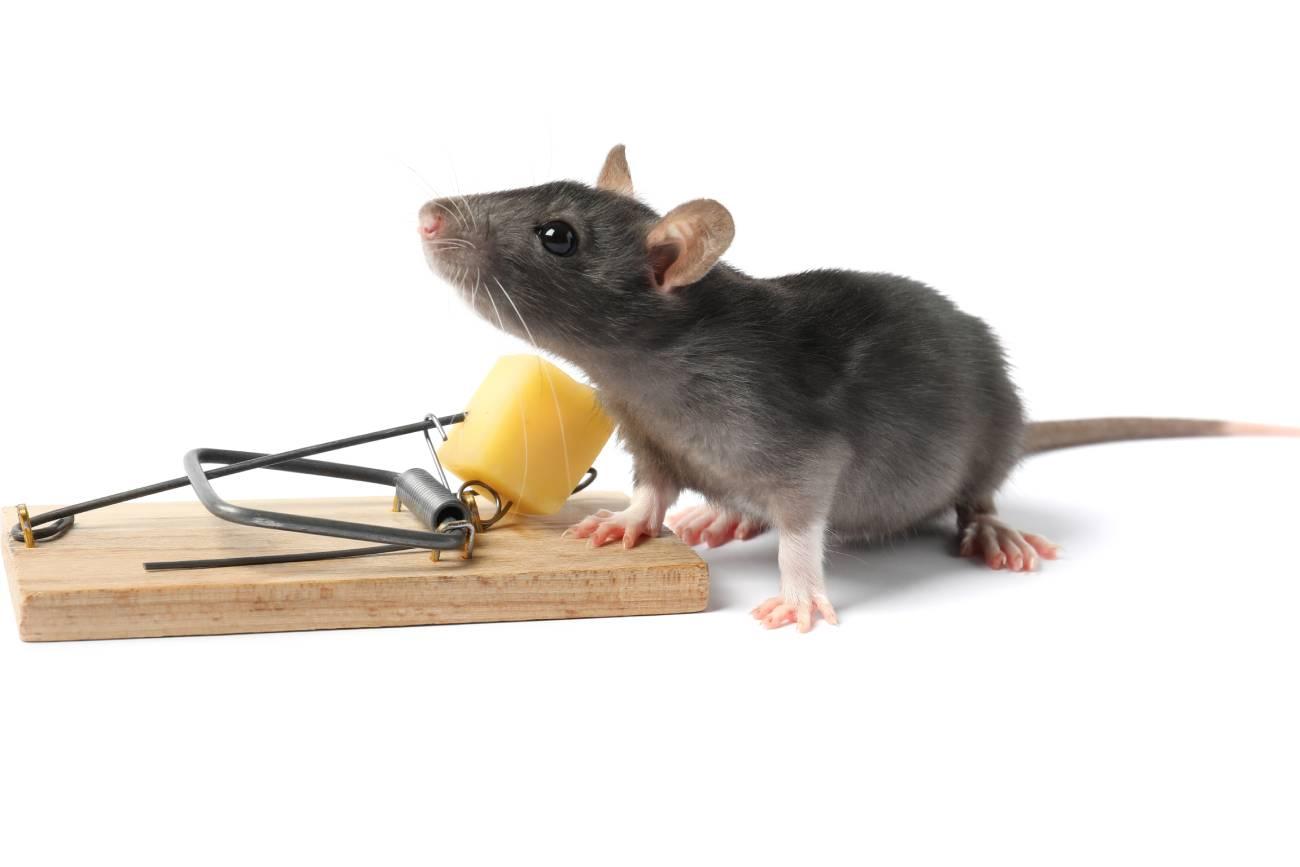
Pest traps provide a practical and targeted way to control common household pests while reducing the need for widespread chemical spraying. Depending on the type of pest and the affected area, different traps can be used to capture, monitor, or help reduce pest activity. Choosing the right pest control solution can help keep your home cleaner, safer, and more comfortable.
Visual Pest Traps
Visual pest traps, also known as light traps, use light to attract flying insects into a trapping unit. Depending on the design, insects may be captured on an adhesive surface or contained inside the device. Light traps are commonly used to help control flies, moths, mosquitoes, and other flying insects, particularly in areas where traditional sprays may be undesirable.
Sticky Traps
Sticky traps use a strong adhesive surface to capture pests as they crawl across the trap. They are simple, chemical-free, and useful for both pest monitoring and control. Sticky traps are commonly used for cockroaches, ants, spiders, and other crawling insects and can help identify areas where pest activity is concentrated.
Bait Traps
Bait traps use an attractive food source or specially formulated bait to target specific pests. Depending on the product, pests may be captured inside the trap or consume bait designed to help control the wider infestation. Baiting systems are commonly used for ants, cockroaches, and rodents and can be particularly useful for targeting pests that hide in cracks, wall cavities, and other difficult-to-reach areas.
Pheromone Traps
Pheromone traps use synthetic versions of naturally occurring chemical signals to attract specific insect species. These traps are especially useful for detecting and monitoring pest activity and may also help reduce certain pest populations. They are commonly used for moths, beetles, and other targeted insect species.