

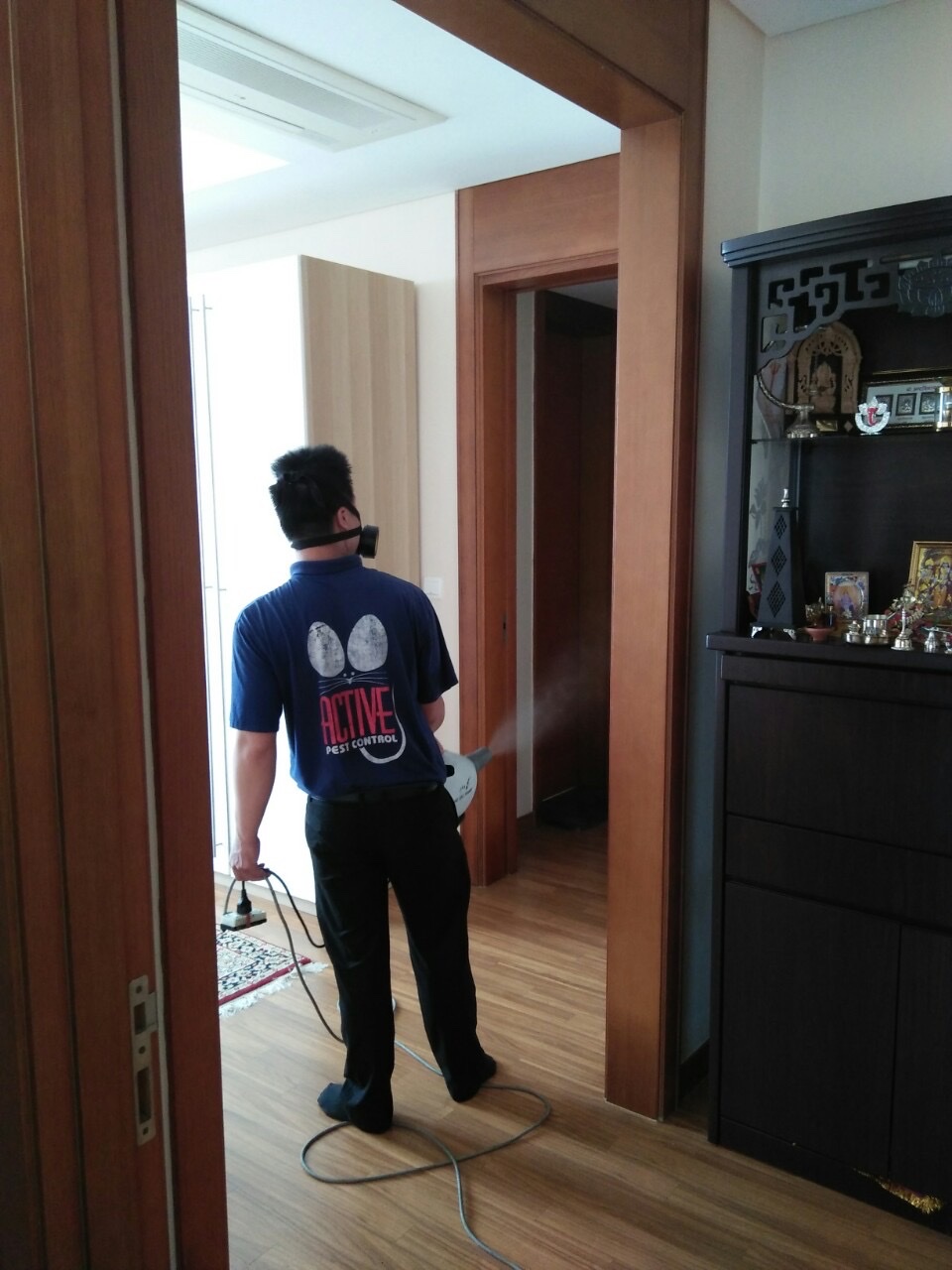
Pest control misting is a highly effective method that disperses water-based insecticides into ultra-fine droplets. By using specialized ULV (Ultra-Low Volume) machines or automated perimeter systems, this technique penetrates dense vegetation and hard-to-reach cracks to quickly eliminate both flying and crawling insects.
How Misting Works
- Droplet Size: Misters (unlike thermal foggers) do not heat the liquid. They create droplets typically ranging from 1 to 200 microns.
- Suspension: These fine droplets stay suspended in the air and coat surfaces with a thin, residual film, ensuring pests come into contact with the treatment.
- Target Pests: It is ideal for controlling mosquitoes, flies, cockroaches, and bedbugs.
Common Application Methods
- Automated Misting Systems: Often installed in backyards or patios, these systems feature a network of nozzles connected to a central timer and tank. They are programmed to spray at peak pest activity times (like dusk) to maintain a protective barrier.
- ULV (Cold) Foggers: Used heavily for indoor and outdoor commercial treatments. Technicians use portable sprayers to manually coat specific areas, cracks, and crevices without generating dense, smoky clouds.
Best Practices and Safety Considerations
- Optimal Timing: Treatments are most effective when target pests are active and winds are low (<10 mph). Avoid spraying during heavy rain or extreme temperatures.
- Safety Protocols: Homeowners, pets, and exposed food should be relocated or covered before misting begins. It is critical to ensure proper ventilation before re-entering indoor spaces.
- Environmental Impact: To prevent plant burn (phytotoxicity), nozzles should be positioned at least two feet away from delicate vegetation.