
FRUIT FLIES: HOW TO IDENTIFY, PREVENT, AND GET RID OF THEM
Fruit flies are small flying insects commonly found around ripe, overripe, or fermenting fruits and vegetables. They can quickly become a nuisance in homes, restaurants, and other food-handling areas because of their rapid reproduction and short life cycle.
Fruit flies can enter homes through open doors and windows or arrive with produce brought indoors. Once they find a suitable food source and breeding site, their population can increase rapidly.
This guide explains what fruit flies look like, where they come from, the signs of a fruit fly infestation, and how to get rid of fruit flies effectively.
What Are Fruit Flies?
Fruit flies are small flies that are attracted to ripe, overripe, fermenting, and decaying fruits and vegetables. They are found throughout the world and can infest homes year-round when suitable food and breeding sources are available.
Depending on environmental conditions, adult fruit flies can live for approximately 25 to 30 days. Their short life cycle and rapid reproduction can make an infestation difficult to control if the breeding source is not eliminated.
What Do Fruit Flies Look Like?
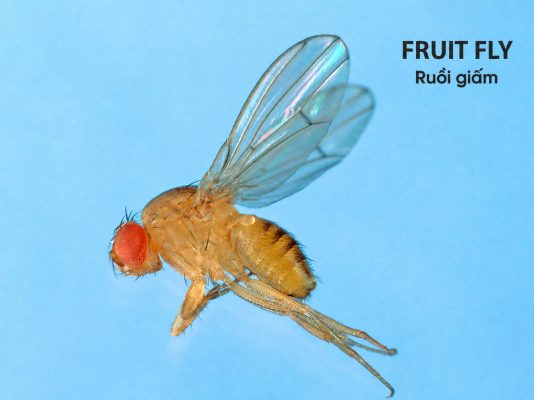
Adult fruit flies are typically about 3 to 4 millimeters long and have small, oval-shaped bodies.
Common identification characteristics include:
- Brown, tan, or yellowish-brown bodies
- Red or reddish eyes in common fruit fly species
- Six legs
- Short antennae
- Small wings
- Dark markings on the abdomen
Because of their small size, fruit flies can sometimes be mistaken for other small flying insects. Correct identification is important when determining the most appropriate pest control method.
Signs of a Fruit Fly Infestation
One of the most obvious signs of a fruit fly infestation is seeing small flies hovering around kitchens, fruit bowls, trash cans, sinks, or other areas where food waste accumulates.
Other signs may include:
- Fruit flies repeatedly gathering around overripe fruit
- Small flies around drains or garbage disposals
- Fermenting liquids such as wine, beer, or fruit juice attracting flies
- Small larvae developing in decaying organic material
- Fruit flies continuing to appear even after adult flies have been removed
If fruit flies keep returning, there is usually an undiscovered food or breeding source somewhere nearby.
Where Do Fruit Flies Come From?
Many homeowners wonder where fruit flies come from because they can seem to appear suddenly.
Fruit flies may enter a home through open doors and windows when they detect a suitable food source. They can also be introduced indoors with fruits and vegetables purchased from stores, markets, or gardens.
Once inside, they may be attracted to:
- Overripe or damaged fruit
- Vegetables beginning to decay
- Fermenting beverages
- Food residue in drains
- Garbage disposals
- Trash cans
- Damp cleaning cloths and mops
- Other areas containing decomposing organic matter
Even a small amount of food residue can provide an attractive breeding site.
Fruit Fly Habits and Life Cycle
Fruit flies are strongly attracted to fermenting and decomposing organic material. They commonly feed and reproduce around fruits and vegetables as well as liquids such as wine, beer, and other fermented beverages.
They may also breed in dark, damp areas where organic residue accumulates, including drains, garbage disposals, and trash containers.
Fruit flies reproduce extremely quickly. Under favorable conditions, females can lay hundreds of eggs during their lifetime, and eggs may hatch within approximately 24 hours.
Their life cycle consists of four stages:
Egg → Larva → Pupa → Adult
Under ideal environmental conditions, the entire life cycle can be completed in as little as one week. This rapid reproduction is one of the main reasons why fruit fly infestations can become difficult to control.
Are Fruit Flies a Threat?
Fruit flies are primarily considered a nuisance pest, but they can also create sanitation concerns in homes and food-handling environments.
Because they are attracted to decaying food, garbage, fermenting liquids, and other contaminated organic material, fruit flies can potentially transfer microorganisms to food and food-contact surfaces.
For this reason, fruit fly activity should not be ignored, particularly in kitchens, restaurants, food-processing facilities, and other areas where food is prepared or stored.
How to Get Rid of Fruit Flies
The most important step in getting rid of fruit flies is to eliminate the food and breeding sources that allow them to reproduce.
Simply killing adult flies may provide temporary relief, but new adults can continue to emerge if the breeding site remains.
1. Remove Overripe and Decaying Produce
Inspect fruit and vegetables regularly and immediately dispose of any produce that is overripe, damaged, or beginning to decay.
Keep fresh produce in the refrigerator or in clean, airtight containers whenever appropriate.
2. Clean Drains and Garbage Disposals
Food residue and organic material can accumulate inside drains and garbage disposals, creating suitable breeding conditions for fruit flies.
Regularly clean and flush these areas to remove organic buildup.
3. Keep Kitchen Surfaces Clean
Wipe countertops, tables, sinks, and other food preparation areas regularly.
Do not leave food scraps, spilled fruit juice, or fermented beverages exposed for long periods.
4. Empty and Clean Trash Cans
Empty household trash regularly, particularly when it contains fruit scraps or other food waste.
Keep trash containers clean and tightly covered to reduce access to potential food and breeding sources.
5. Inspect Produce Before Bringing It Indoors
Check fruits and vegetables carefully before bringing them into your home.
Damaged or overripe produce may already contain fruit fly eggs or larvae.
6. Seal Potential Entry Points
Make sure windows and doors close properly and consider installing insect screens to reduce the chance of adult fruit flies entering the home.
Why Do Fruit Flies Keep Coming Back?
If you have removed the adult flies but they continue to appear, the problem may be an undiscovered breeding source.
Check areas such as:
- Kitchen and bathroom drains
- Garbage disposals
- Trash cans
- Recycling containers
- Overripe fruit
- Food residue under appliances
- Damp mops and cleaning cloths
- Bottles or containers containing fermented liquids
Finding and eliminating the breeding source is often more important than simply killing the adult flies.
When Should You Contact a Pest Control Professional?
If fruit flies continue to appear despite thorough cleaning and removal of potential breeding sources, professional pest control may be necessary.
A trained pest control professional can inspect the affected areas, identify potential breeding sites, and recommend an appropriate treatment strategy.
Contact Active Pest Control to learn more about fruit fly control and schedule a professional inspection if necessary.


