
7 PEST HOT SPOTS IN RESTAURANTS & HOW TO PREVENT INFESTATIONS
Now that you know some of the major factors that attract pests in a dining establishment, your team needs to locate areas that need to be monitored for pest control. Covering the areas most prone to infestations can reduce the likelihood of causing foodborne illnesses and related dangerous diseases from this food safety risk.
- Waste area
This spot includes indoor trash bins and outside dumpsters. All trash cans and other receptacles for food waste must have proper lids to reduce the likelihood of attracting insects. In addition, practice proper segregation of waste for easier sorting and disposal.
As part of your pest control management plan, include the frequency of clearing out trash bins and the proper way of disposing of trash bags.
- Food storage area
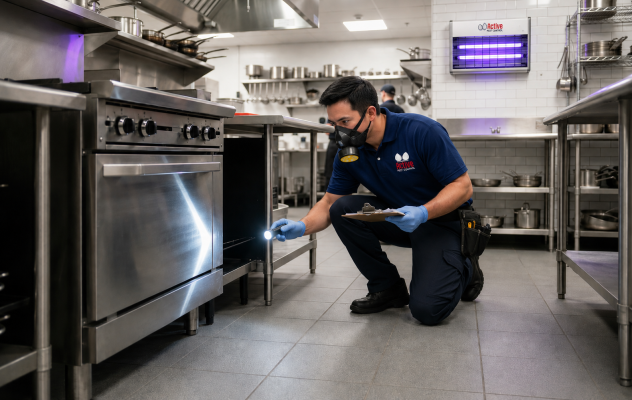
If there is one place in your restaurant where there are food ingredients and dark corners, it would be your food storage area. The abundance of food in your commercial kitchen storage area is very attractive to all sorts of pests. Regularly inspect the corners of the storage area where cockroaches and other insects may house.
- Fixtures and furniture
This hot spot is common for older food establishments. Tables, cupboards, and light fixtures may often house wood-infesting pests. It’s also very common to see dead insects on light guards as they are attracted to the light. Regularly clean out light guards and furniture.
- Windows, exhausts, and doors
The main pests that can cause damage and contamination to your food facility through windows and roofs are birds. These pests can produce droppings that can build up over time and attract other pests, such as ants and cockroaches.
- Floor drains
Floor drains attract different types of flies, especially if they are not properly cleaned. They can also serve as passageways for other insects.
- Receiving area
Maintaining the cleanliness of your restaurant includes monitoring what comes in and out of your food facility. Supply of food does not only need to be delivered chilled; they also need to be clean. Food delivery trucks often go unnoticed, but they can bring in pests that tag along the crates of fresh food.
- Large equipment
Equipment and machines, such as a meat slicers, often have hard-to-reach areas. This reason is why most machines require dismantling for sanitation. Pests can easily crawl their way into these areas to feed on stuck food debris.
Cleaning and sanitation are integral parts of any food safety plan. All areas, regardless of size, must be consistently cleaned and monitored to ensure safety and quality food. Some areas may need less frequent cleaning, but schedules for cleaning and sanitation must never be disregarded.
Create a schedule and a Pest Control Checklist for all the areas of your restaurant in order to clean effectively and prevent pest infestation and restaurant violations.
What should you do if you suspect a possible pest infestation?
If you suspect a possible infestation, you should contact a local pest control officer. Your team must document all obvious signs of suspected infestation and provide them to the commercial pest control service provider. A clean-up and preventive maintenance must then be scheduled to ensure that pests are addressed.
Pay close attention during the professional pest control service operation. Assign an employee who will inspect the process before and after pest control. Ensure all pointers and pest control guidelines handed out by the control officer will be implemented to address future pest control issues.
Pest control is an everyday task. A significant part of this operation is the everyday inspection of signs and potential hiding places.
Pest infestation signs in a restaurant
The presence of pests often starts with very simple common signs. Pests such as insects and rodents leave traces such as droppings, which could be indicative of how severe the infestation has become and the type of pest that is present.
You can use signs to tell whether there is a need to contact the pest control officer or when to replenish pest control equipment, such as baits and traps.
Have you seen any of these pest infestation signs recently?
- Animal droppings (e.g., rats, birds, and lizards)
- Damaged food packaging or small restaurant structures
- Loose crumbs of food
- Footprint
- Webs and signs of nests
- Insect parts or bodies of pest, and skin shedding
- Foul smell (e.g., strong smell of ammonia)
- Grease trails
- Unusual sound, usually in ceilings
Early detection of any active pest or sign of infestation can significantly make a difference in the required effort to control pests. Depending on the detected signs of pests, the approach may vary.
Do you want to test your team’s aptitude on food safety matters? Use our free food safety quiz tool to train food handlers on important food safety topics.
What is the best way to prevent pest infestations?
The best way to a prevent pest infestation is to establish a comprehensive pest control system as part of your prerequisite programs, which will contribute to your HACCP plan. A pest control program includes the correct preventive measures to eliminate the likelihood of attracting pests in a food establishment.
A pest control program also provides in-depth information on the types of pests and particular everyday food-handling practices that will help deter these pests. Pest control programs involve inspections and intensive analysis of your food facility to determine the appropriate preventive actions and corrective procedures.


