

SMALL PESTS, BIG RISKS: WHAT TO KNOW ABOUT HOUSE FLIES AND MOSQUITOES
Summer is here, and seasonal pests are already making their presence known. According to the Pest Management Association, house flies and mosquitoes rank among the most common warm-weather nuisances across the country. While most homeowners lump them together as annoying pests to swat away and deal with later, these insects operate quite differently, and the health risks they carry are not the same.
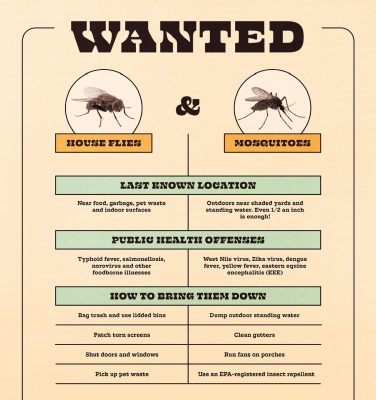
Not every pest-related health risk comes from a bite. In the case of house flies, the concern lies in what they carry from place to place. House flies can spread more than 100 pathogens, including salmonella, typhoid and germs that cause foodborne illnesses. They pick up bacteria from trash, feces and decaying material, then transfer it to food and surfaces when they land. Because they reproduce quickly, a minor issue can turn into an infestation fast.
Mosquitoes carry different risks through their bites, which can be a direct delivery mechanism for diseases, including yellow fever and zika virus and eastern equine encephalitis.
“House flies and mosquitoes can pose real public health concerns, making them more than just an inconvenience,” said the expert. “With warmer, wetter weather in many parts of the country, activity is increasing in and around homes as they search for food, water and shelter. Simple steps like eliminating standing water, keeping food and waste areas clean and sealing entry points can reduce the likelihood of infestations and help protect homes and families.”
If an infestation occurs, homeowners should contact a pest control professional to identify the pest, pinpoint the source and develop a targeted treatment plan before things buzz out of control.


